

Best National Parks in the USA: America’s Most Iconic Landscapes
The best national parks in the USA showcase an extraordinary range of landscapes, from geothermal basins and alpine peaks to deserts and rugged coastlines. These protected areas offer world-class hiking, wildlife viewing, and scenic drives, making them ideal for both first-time visitors and experienced travelers. Below are ten of the most iconic national parks in the United States and what makes each one worth visiting.
If you are planning a multi-park adventure, this guide on how to plan a national park road trip is a useful place to start.
Yellowstone National Park (Wyoming, Montana, Idaho)
Yellowstone is America’s first national park and one of the most geologically active places on Earth. Spanning over 2.2 million acres, it contains more than 10,000 geothermal features, including Old Faithful and the Grand Prismatic Spring. Wildlife is a major draw, with approximately 5,000 bison, along with wolves, elk, and grizzly bears.
Official site: https://www.nps.gov/yell/index.htm
Yosemite National Park (California)
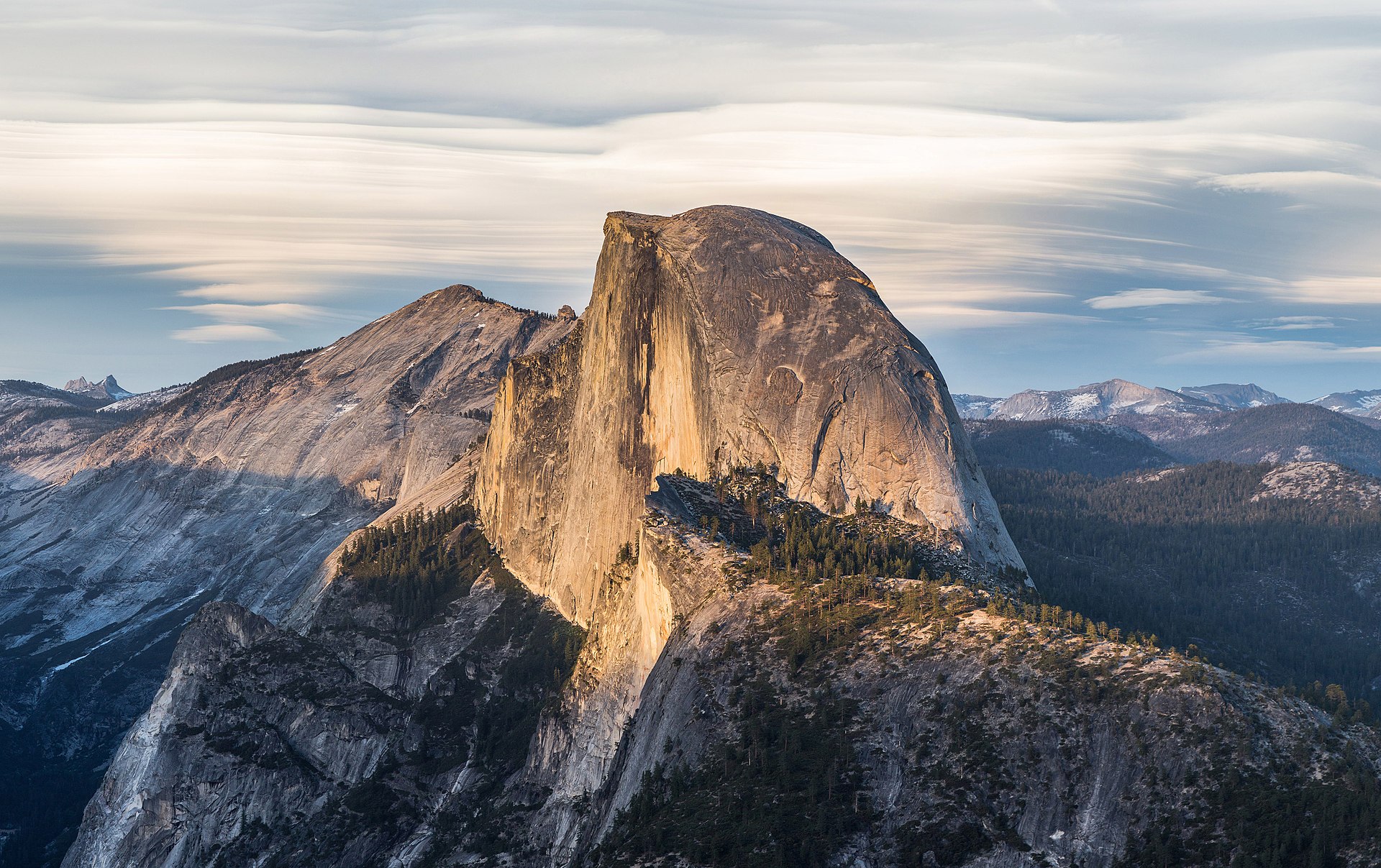
Yosemite is famous for its massive granite cliffs, towering waterfalls, and ancient giant sequoias. El Capitan and Half Dome dominate Yosemite Valley, while Yosemite Falls plunges more than 2,400 feet. Covering roughly 750,000 acres, the park offers year-round hiking, climbing, and photography opportunities.
Official site: https://www.nps.gov/yose/index.htm
Grand Canyon National Park (Arizona)
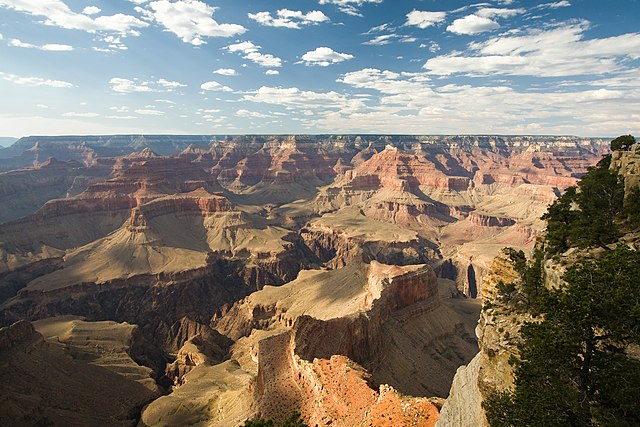
Carved by the Colorado River, the Grand Canyon stretches 277 miles long and reaches depths of over one mile. Its layered rock formations reveal nearly two billion years of geological history. Visitors can hike below the rim, raft the river, or enjoy expansive viewpoints along the South Rim.
This park is a cornerstone stop on many Southwest itineraries, including this 7-day American Southwest road trip.
Official site: https://www.nps.gov/grca/index.htm
Zion National Park (Utah)

Zion National Park features towering sandstone cliffs, narrow slot canyons, and lush river corridors. Popular hikes such as Angels Landing and The Narrows offer close-up views of Zion’s dramatic terrain. Despite its popularity, Zion remains one of the most accessible and rewarding parks in the Southwest.
Official site: https://www.nps.gov/zion/index.htm
Glacier National Park (Montana)

Known as the Crown of the Continent, Glacier National Park is defined by rugged peaks, alpine lakes, and remaining glaciers. Going-to-the-Sun Road crosses the park and provides one of the most scenic drives in the country. With over 700 miles of trails, Glacier is ideal for hikers seeking a more remote experience.
Official site: https://www.nps.gov/glac/index.htm
Rocky Mountain National Park (Colorado)
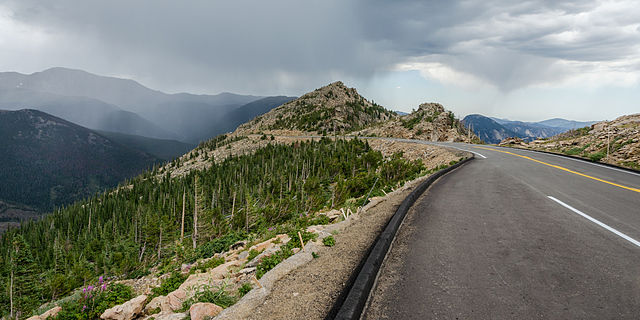
Rocky Mountain National Park showcases high-altitude landscapes, from montane forests to alpine tundra. Trail Ridge Road climbs above 12,000 feet, offering sweeping views and frequent wildlife sightings. Popular hikes lead to alpine lakes like Emerald Lake, while Longs Peak attracts experienced climbers.
If you are traveling through the region, you may also find this guide to where to stay near Mount Rushmore useful for planning nearby stops.
Official site: https://www.nps.gov/romo/index.htm
Grand Teton National Park (Wyoming)
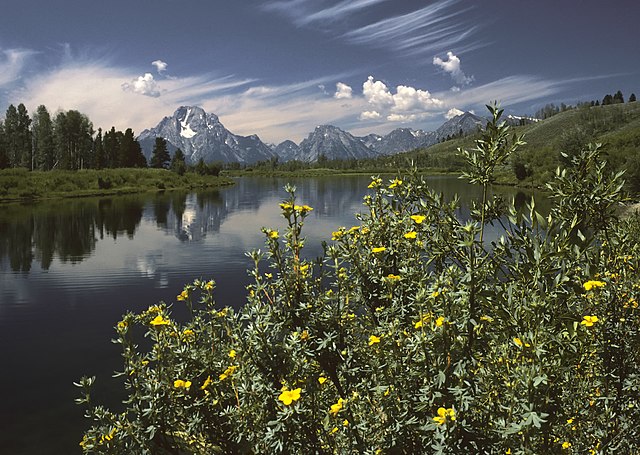
Grand Teton National Park features a jagged mountain range rising sharply from the Jackson Hole Valley. Calm waters such as Jenny Lake and Jackson Lake reflect the peaks, creating classic mountain scenery. Wildlife sightings are common, including moose, bears, and bald eagles.
Official site: https://www.nps.gov/grte/index.htm
Acadia National Park (Maine)

Located along Maine’s Atlantic coast, Acadia National Park blends rocky shorelines with forested mountains. Cadillac Mountain is one of the first places in the United States to see sunrise for much of the year. Visitors enjoy granite hikes, historic carriage roads, and tide pool exploration.
Official site: https://www.nps.gov/acad/index.htm
Olympic National Park (Washington)

Olympic National Park protects three distinct ecosystems: glacier-capped mountains, temperate rainforest, and rugged Pacific coastline. Highlights include the Hoh Rainforest, Hurricane Ridge, and Rialto Beach. Its ecological diversity makes it one of the most unique national parks in the USA.
Olympic pairs well with a regional itinerary like this 7-day Pacific Northwest road trip.
Official site: https://www.nps.gov/olym/index.htm
Arches National Park (Utah)

Arches National Park contains over 2,000 natural sandstone arches shaped by erosion. Delicate Arch is the most famous, particularly at sunset, but the park’s entire landscape feels sculptural. Short hikes and scenic drives make it accessible to a wide range of visitors.
Arches is another popular stop on Southwest routes, including this 7-day American Southwest road trip.
Official site: https://www.nps.gov/arch/index.htm