

How to Island Hop in Greece: 7 Essential Tips to Know
There are many, many ways to experience the magic of Greece, but one of the most fun and active is to hop from island to island. You start looking at a map, count the islands — over 6,000 of them, though only around 230 are inhabited — and suddenly you have seventeen browser tabs open and no idea where to begin. Island hopping in Greece is genuinely one of the best ways to travel through the country, but it works best when you go in with a loose plan rather than a rigid itinerary. This guide walks you through what you actually need to know before you go.

What Is Island Hopping in Greece, Really?
Island hopping in Greece means traveling between multiple islands using ferries, catamarans, or small planes — sometimes all three in the same trip. It is not a single route or a set package. You build it yourself based on your time, your budget, and which islands actually interest you.
Most people picture the Cyclades when they think of Greek island hopping: Santorini, Mykonos, Naxos, Paros. But Greece has several distinct island groups, including the Dodecanese, the Ionian Islands, and the Sporades, each with its own ferry network and its own pace. Picking an island group before you pick individual islands will save you a lot of confusion early on. Be sure to check out our Best Greek Islands to Visit Guide to learn more about the different regions!

How to Island Hop in Greece on a Tight Budget
The honest truth about budget island hopping in Greece is that the ferries themselves are relatively affordable — it is the accommodation and food on certain islands that will drain your wallet fast. Santorini and Mykonos are expensive by any measure. If you are watching your spending, building your route around less commercial islands like Naxos, Milos, or Ikaria can make a real difference.
Booking ferry tickets in advance through a reliable platform like Ferryhopper helps you lock in lower prices and avoid sold-out crossings during peak summer weeks. Traveling in shoulder season — late April through May, or September into October — cuts costs on both ferries and rooms, and the islands are quieter. You trade some guaranteed sunshine for a noticeably lighter crowd, which many travelers consider a fair deal. Read more about how to time your trip by checking out our guide on the best times to travel to Greece.
Island Hopping in Greece for First-Time Travelers
If this is your first time island hopping in Greece, keep one thing in mind: less is more. A common mistake is cramming too many islands into one trip, which means you spend more time on ferries than actually being somewhere. Three or four islands over two weeks is a comfortable pace for most people.
Start with a well-connected hub like Athens or Piraeus, and plan your first island to be somewhere with regular ferry connections to other destinations. Paros is often recommended as a base because it sits in the middle of the Cyclades with routes going in multiple directions. You can always extend your trip later once you understand how the ferry schedules work in practice.
Choosing the Right Ferry Routes Between Islands
Not all ferry routes run every day, and the schedules shift significantly between July and August versus the rest of the year. Some inter-island connections only operate a few times a week, and missing that ferry can mean an unplanned extra night somewhere. Check schedules before you book accommodation, not after.
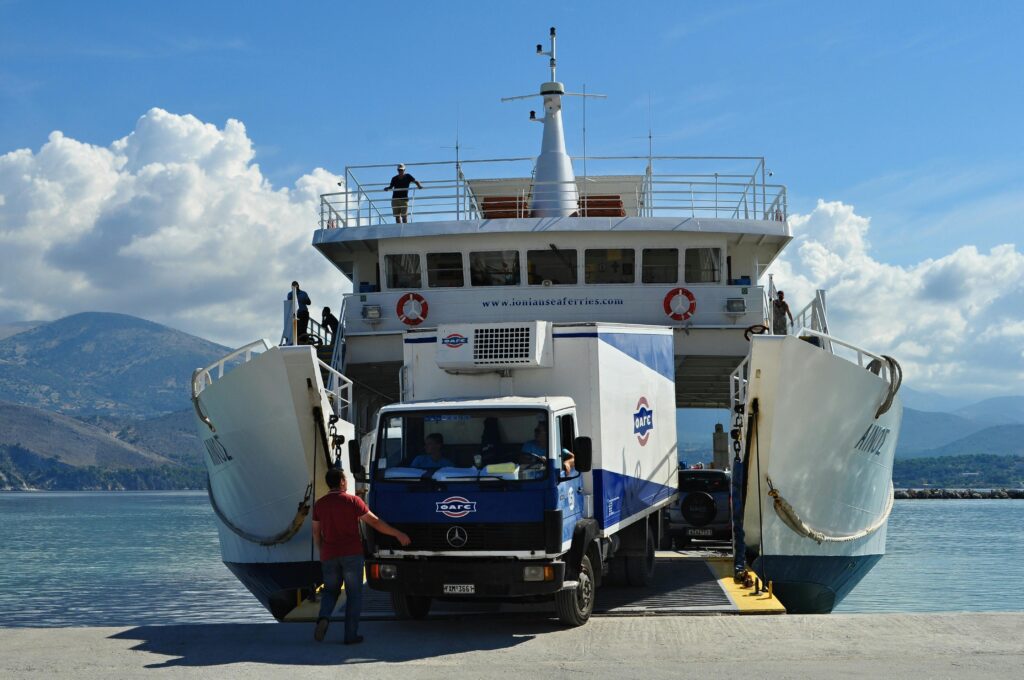
There are two main types of ferries: large conventional ferries that carry cars and take longer, and high-speed catamarans that are faster but pricier and more affected by wind. The Aegean can get choppy, particularly in July and August when the Meltemi winds pick up. If you are prone to seasickness, book the high-speed option on shorter crossings and take an overnight ferry on longer ones so the motion is less noticeable while you sleep.
I’ll only say it once–The published timetables are more like guidelines, at best. If you’re coming from a place with a rigid and reliable transit system, you might add a dash of “go with the flow” to your plans. Going into your trip with the right expectations really makes or breaks the whole thing!
Packing and Timing Tips for a Smoother Trip
Pack light. That advice sounds obvious, but it becomes very real when you are dragging a large suitcase down a cobblestone path at 7am looking for your guesthouse. A carry-on sized bag and a small daypack is the practical setup for island hopping in Greece, where you will be moving often and storage space on ferries is limited.
Timing your arrivals matters more than most people expect. Ferry ports can be far from town centers, and arriving late at night on a small island where taxis are scarce is stressful. Try to schedule arrivals in the afternoon when possible, giving yourself time to orient, find food, and settle in without rushing. If you are staying somewhere specific, Search accommodations in Paros on Booking.com to compare options close to the port, which makes early morning departures much easier to manage.
The best version of island hopping in Greece is the one you actually take, even if the planning feels messy at first. Start by picking your island group, book your first two ferry legs before you leave home, and leave the rest a little open. You will figure out the rhythm once you are there.